
Beauty packagingMOQ500 pcs Sampling7-day sampling MaterialsPaperboard, rigid board, PET window
Custom Cosmetic Boxes
Custom cosmetic boxes for skincare bottles, jars, tubes, makeup and beauty sets. Choose folding cartons or rigid gift boxes with a clear quantity plan for each SKU and artwork version.
Artwork preflightDieline, bleed and print risk checks.
Supplier routeStructure, material and MOQ guidance.
Short answer
Custom cosmetic boxes are printed cartons or rigid set boxes sized for bottles, jars, tubes and makeup products. Plan dimensions, information panels and quantities per artwork before sampling a multi-SKU range.
Start with product dimensions, quantity, destination country, artwork status and reference photos for a faster first reply.Structure references
Compare cosmetic box structures visually
Use these structure illustrations and reference designs to describe the box you want. Confirm dimensions, insert fit and finish on your own sample.
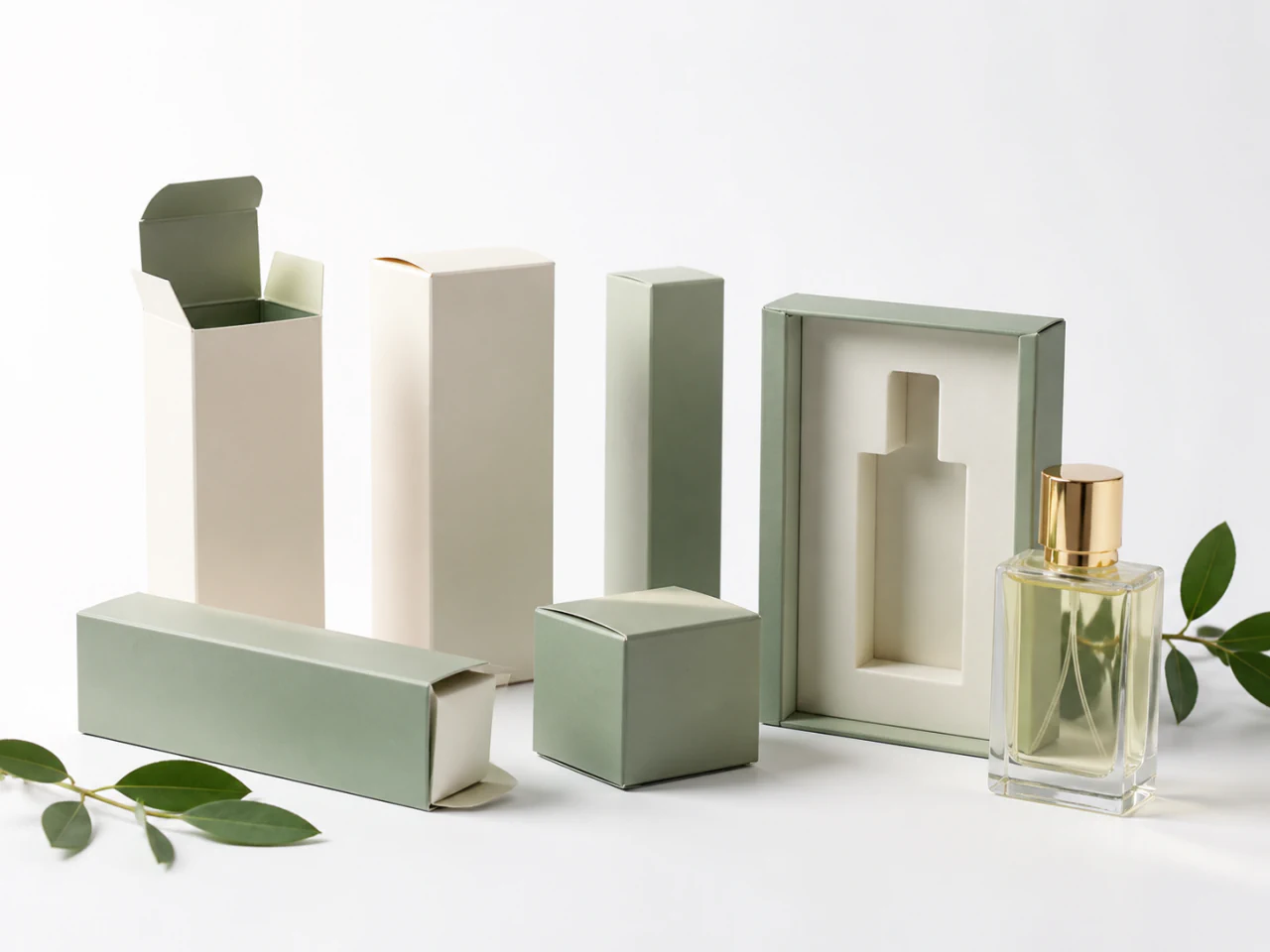
Cartons and fitted inserts
Compare a folding carton with an insert-supported presentation box. Measure pumps, caps, jars and tubes separately before choosing one size.
Open image for a closer view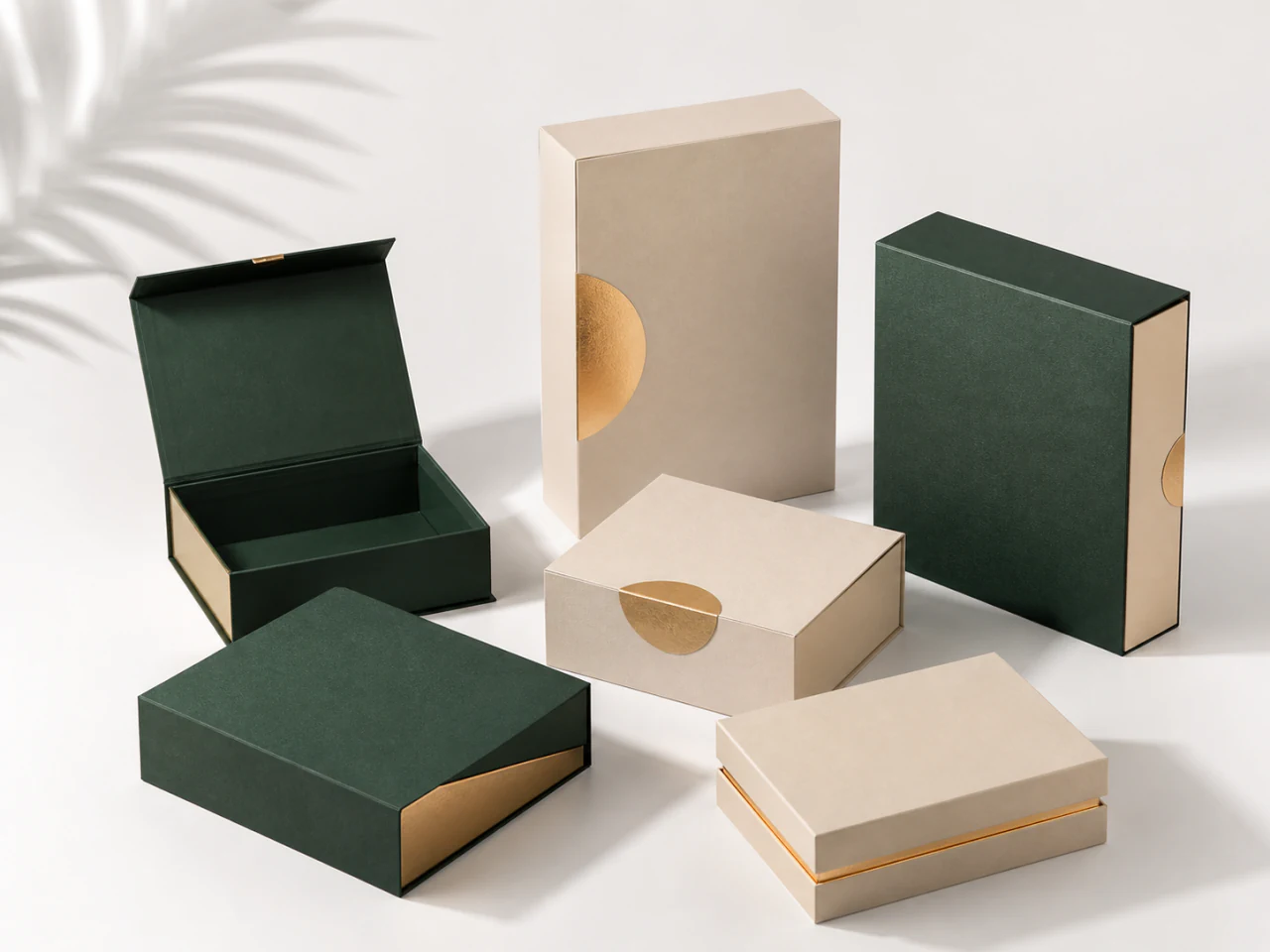
Gift and launch sets
Compare rigid structures for a multi-product set. Allow room for each product, removal access and any leaflet before quoting the insert.
Open image for a closer view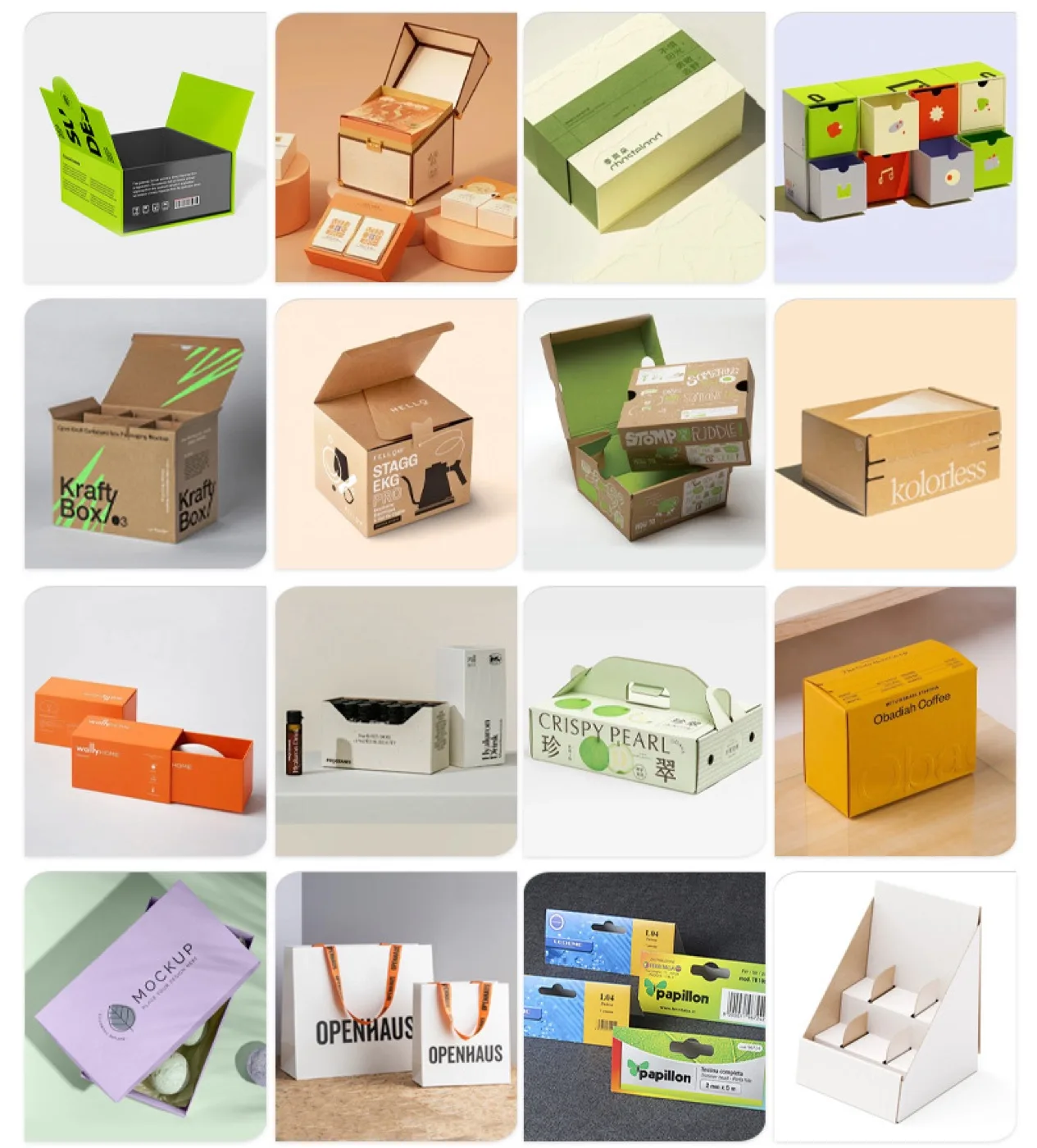
Packaging reference collection
Explore existing packaging references for opening styles, print layouts and structure ideas. Confirm available physical references with the team.
Open image for a closer viewFor your sample, request photos of the box closed, open, with the product fitted, and close-ups of the agreed finish.
Specifications
Practical packaging specs
Use these fields to prepare a quote request and compare supplier feasibility.
MaterialsPaperboard, rigid board, PET window
MOQ500 pcs
Sampling7-day sampling
ApplicationsBeauty brands, retail and e-commerce
PrintingCMYK, Pantone, foil, UV and embossing options
ShippingExport carton packing and global delivery support
Box selection
Choose a cosmetic box around the product and SKU plan
A serum bottle, cream jar and squeeze tube need different clearances and support. Choose a structure around the packed product, retail layout and quantity per design before comparing unit prices.
| Decision point | Practical guidance | Impact |
|---|---|---|
| Folding carton | Individual skincare, makeup and beauty products on retail shelves. | From 500 pieces per design. Confirm board, locking style and artwork quantity for each SKU. |
| Rigid beauty set box | Gift sets, launch kits and premium multi-product packs. | From 500 pieces per design. Check insert layout, assembly and packed volume. |
| Shared outer box with SKU-specific insert | Products that can use one outer size while their shapes differ. | Compare insert variants and packing labor. Shared dimensions do not automatically combine separate print runs. |
Fit and approval
Check product fit and artwork across every cosmetic SKU
Review the physical sample with the intended product before releasing bulk production.
- Measure the final packed product: include pumps, caps, tamper bands and protective sleeves. Check jar diameter, tube seams and bottle height separately.
- Plan quantities per design: list each product size, shade or formula, artwork version and quantity. Units split across different artworks are counted per design, so several artworks are not automatically one combined print run.
- Map information onto the dieline: reserve space for buyer-approved product text, ingredients, barcode and batch or date information. Required wording depends on the destination and product.
- Check print and finish consistency: approve a color reference, logo position, small-text readability and foil or embossing alignment across the range.
- Try the production packing step: check carton closure, product insertion, barcode scanning and the export-carton layout with actual products.
Quote planning
Compare cosmetic box costs per SKU and artwork version
Start with the packaging type, quantity and email. Add a SKU list, dimensions including closures, quantity per artwork, destination and preferred finish when available. We can review the structure before final artwork is ready.
| Decision point | Practical guidance | Impact |
|---|---|---|
| Shared size versus separate dielines | One size may suit a range; jars, tubes and bottles can still need different inserts. | Compare saved tooling with fit and packing effort. |
| Artwork versions and quantities | Different shades, languages or formulas can require separate setups. | List units per artwork rather than only the range total. |
| Board and print coverage | Board thickness, inside printing, windows and finish layers change material and processing. | Choose effects that support the retail use case. |
| Reorders and color reference | Artwork revisions and paper changes can affect the next run. | Retain an approved sample, dieline version and color reference. |
Project preparation
Guides for this packaging route
Use the cost guide, selection guide and planning example when you need more detail.
Low MOQ cosmetic packaging guide
Plan launch quantities per artwork before selecting a carton or rigid box.
Cosmetic packaging selection guide
Compare structures against product dimensions, presentation and budget.
Multi-SKU beauty launch planning example
Plan shared sizes, separate artwork quantities and sample approval across a range.
Material details
Explore the relevant material and finish options
Select material against your product and sample requirements. Claims and specifications must be agreed in the quote.
Need workshop or inspection references?
Review the existing workshop references and the sample, inspection and packing checks to agree for your order.
FAQ
Custom Cosmetic Boxes questions
Use these answers when comparing custom packaging suppliers.
What is the MOQ for custom cosmetic boxes?
All structures start from 500 pieces per design. Provide the quantity for each artwork and SKU so the quote reflects the actual print runs.
Can several skincare products use the same box?
Sometimes. Compare each product dimension and the insert needed to hold it securely. A shared outer box can simplify stocking, but different artworks or inserts still need their own quantity plan.
Can I request a quote without finished artwork?
Yes. Start with the product type, quantity and email. Product dimensions, a reference image and a SKU list help review feasibility; the dieline and final artwork can be confirmed later.
Can you print ingredients, barcodes and batch information?
Buyer-approved text and barcode artwork can be included in the print layout. Confirm the reserved area for variable batch or date marking, barcode scanning and destination-specific wording before production.
How do I keep color consistent on a reorder?
Keep the approved physical sample, paper specification, color reference and artwork version. Review changes to material, finish or print method and agree the comparison conditions before releasing the repeat run.