
Requirement
The required quantity, market, launch timing, artwork status and product risk.
Explore structure options, material choices and sample checkpoints. Scenario examples illustrate planning decisions; confirm the final specification for your own project.
A useful case study should show the project problem, tradeoffs, supplier route and final packaging decision.
The required quantity, market, launch timing, artwork status and product risk.
Why a specific structure, material, insert or finish was selected instead of a generic option.
What was approved before mass production and what can be repeated in future orders.
Review practical sourcing logic before you submit a similar packaging request.
Send a dieline, PDF or reference image. We check obvious print, bleed, structure and feasibility risks before sampling.
Requests with product size, quantity and destination get a first reply with the practical box route and anything still needed for a firm quote.
Confirm fit, material, print and finishing before committing to mass production.
If one structure is too expensive, we suggest a simpler route that still fits launch goals.
Use these examples to compare material, structure, MOQ and risk-control decisions.

A six-SKU beauty launch scenario: plan carton sizes, quantities per artwork and a consistent sample approval reference.

A fragrance discovery-set scenario: compare a rigid drawer box, fitted vial insert and the sample checks needed before launch.
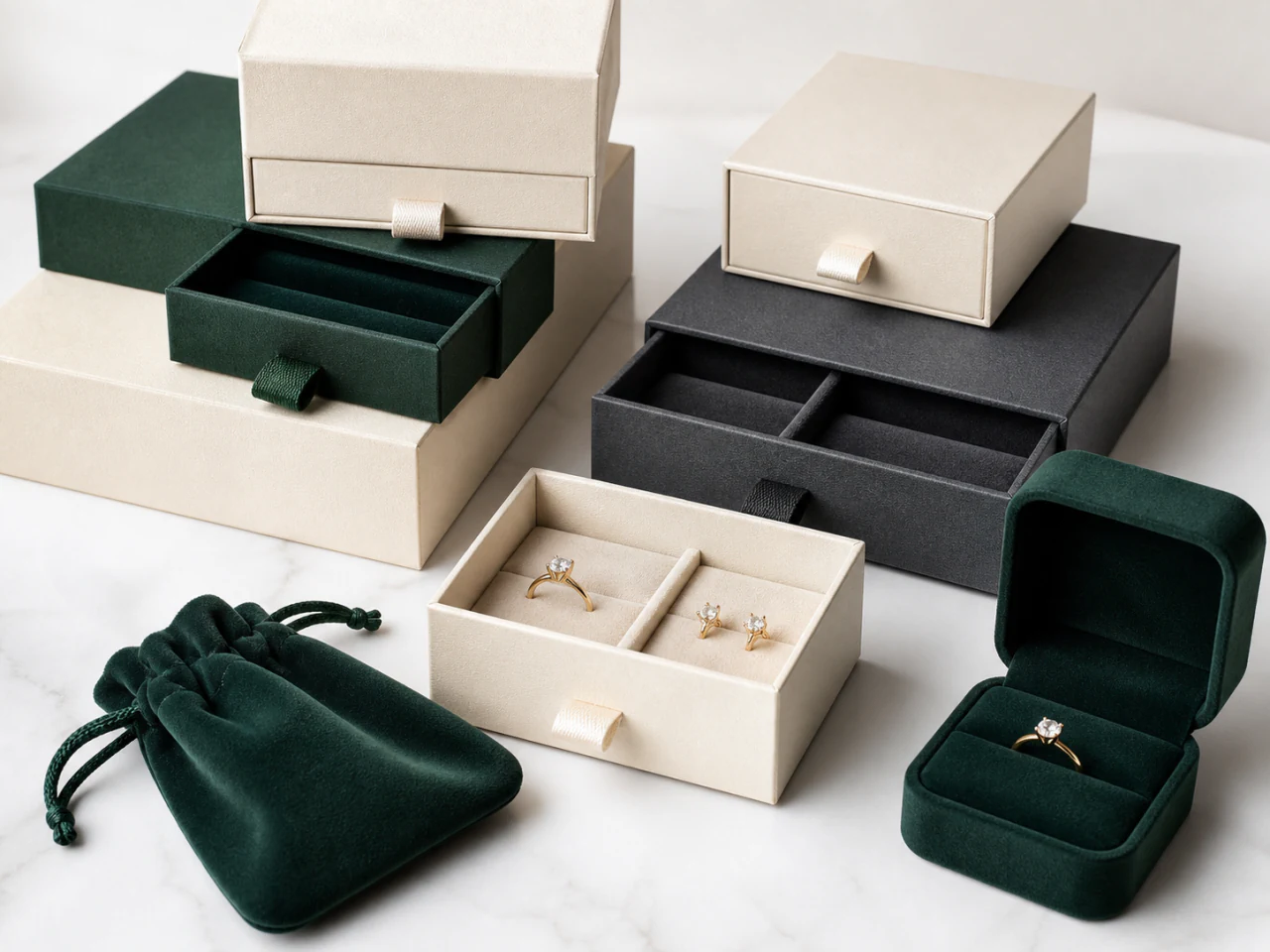
A jewelry seller needed packaging suitable for postal delivery and gifting.
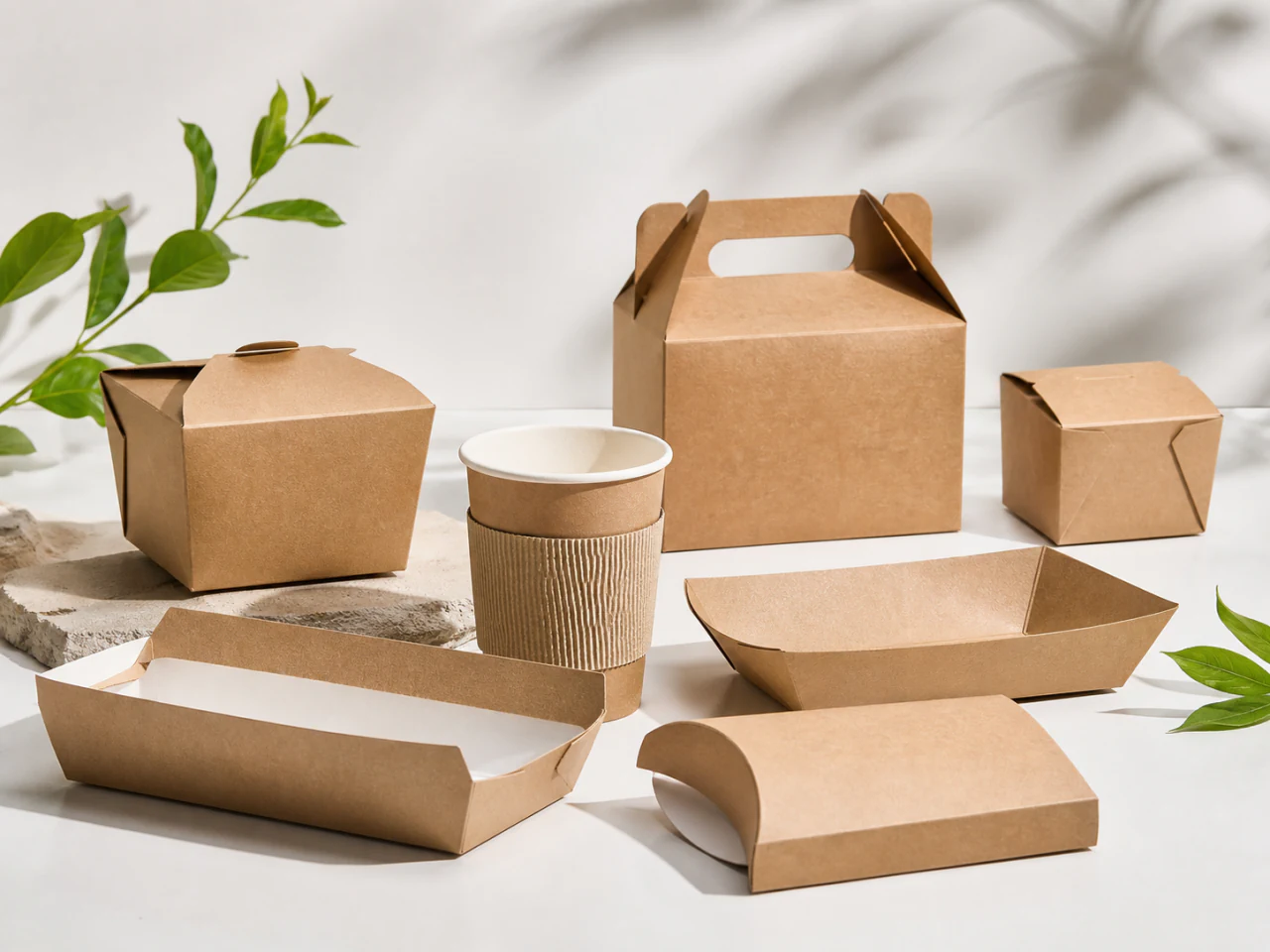
A food brand wanted a fast packaging update without changing trays.
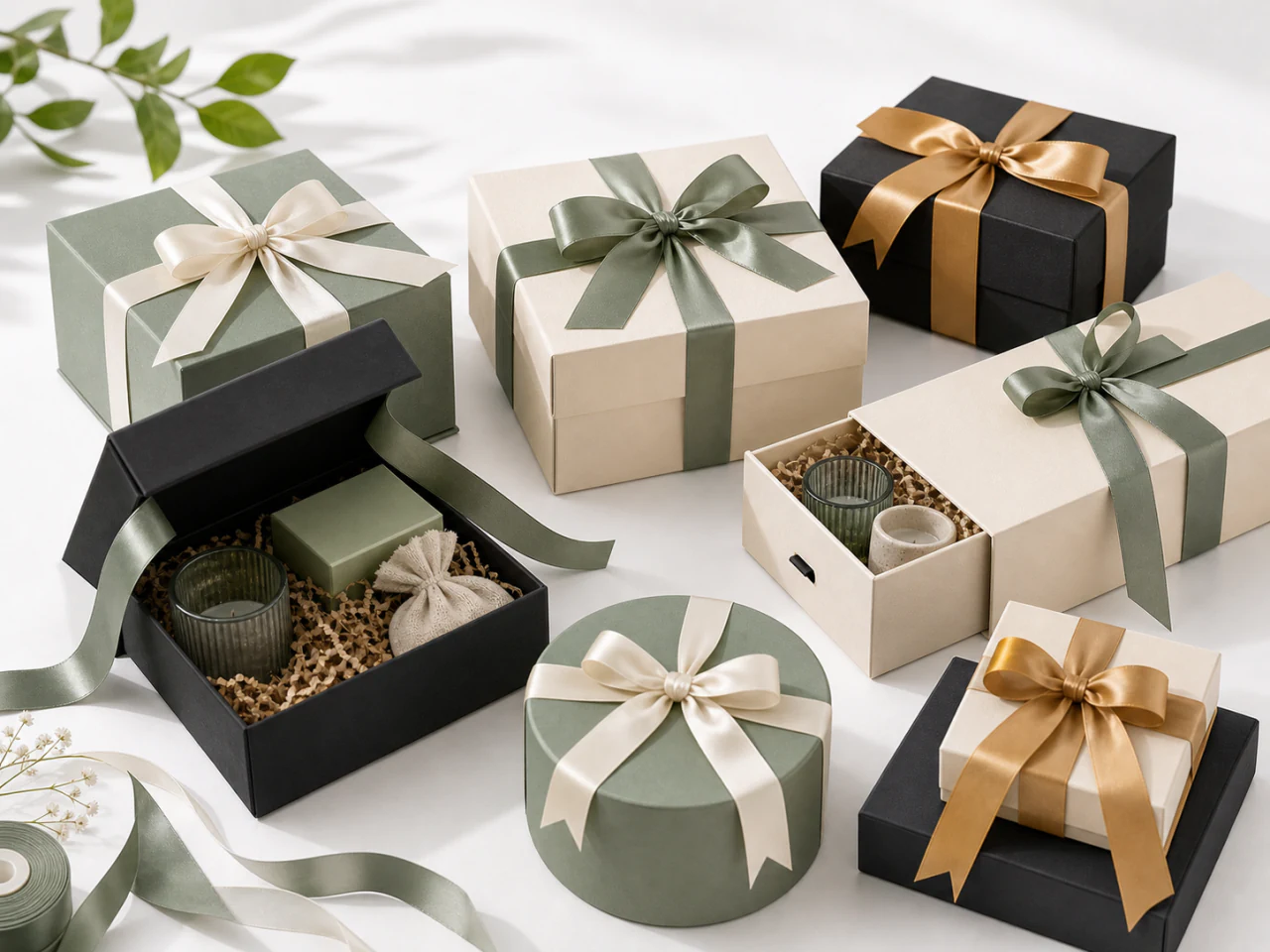
A seasonal gift company needed one visual system across multiple SKUs.
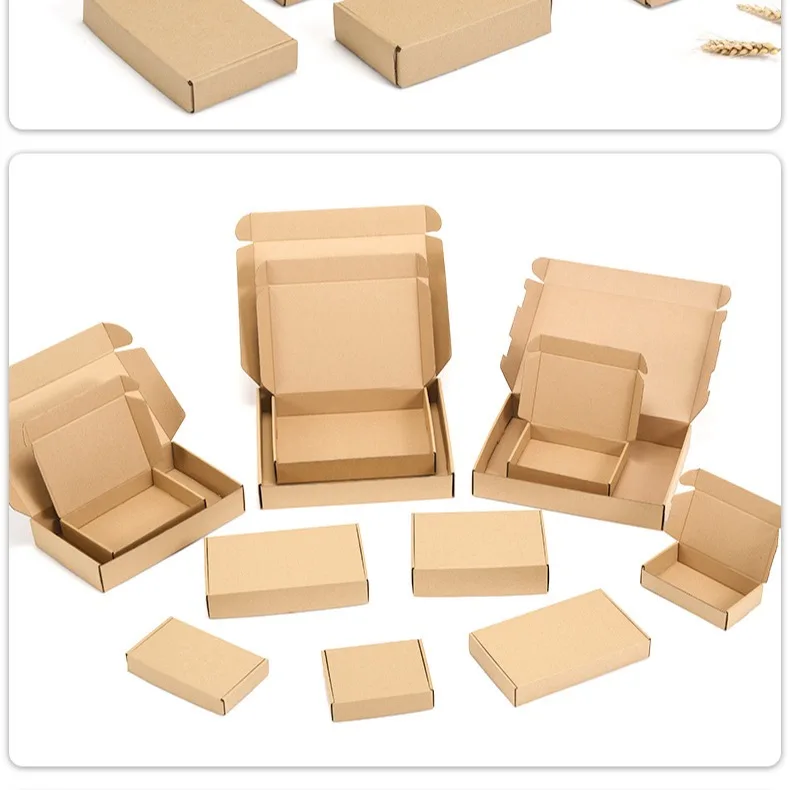
An online brand wanted recyclable packaging without losing brand impact.
A bakery brand needed food-safe boxes and window sleeves across a multi-SKU pastry line without slowing weekend production runs.
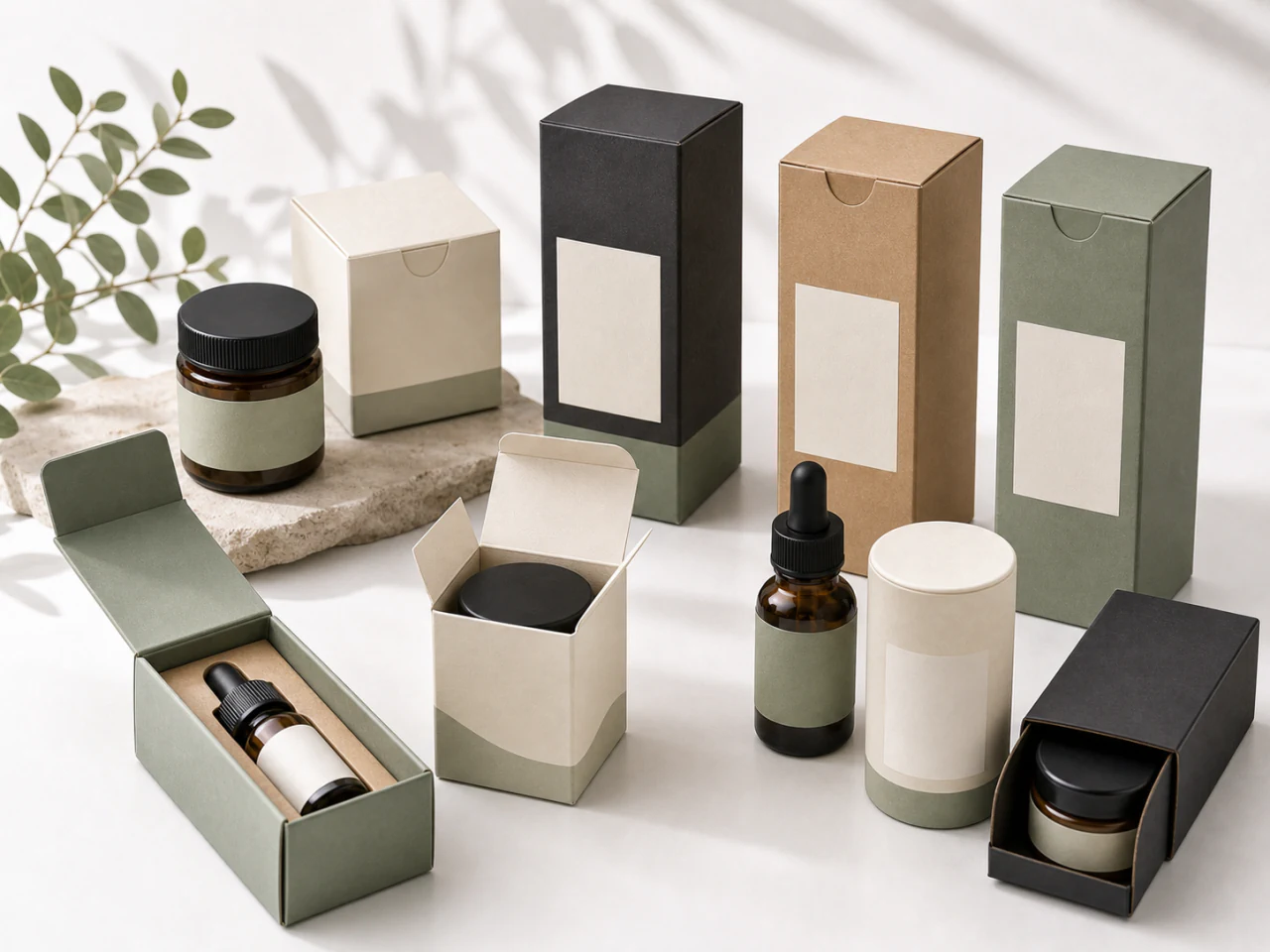
A supplement brand needed tamper-evident cartons and a stable bottle tray for a multi-SKU vitamin line launching through both retail and DTC channels.
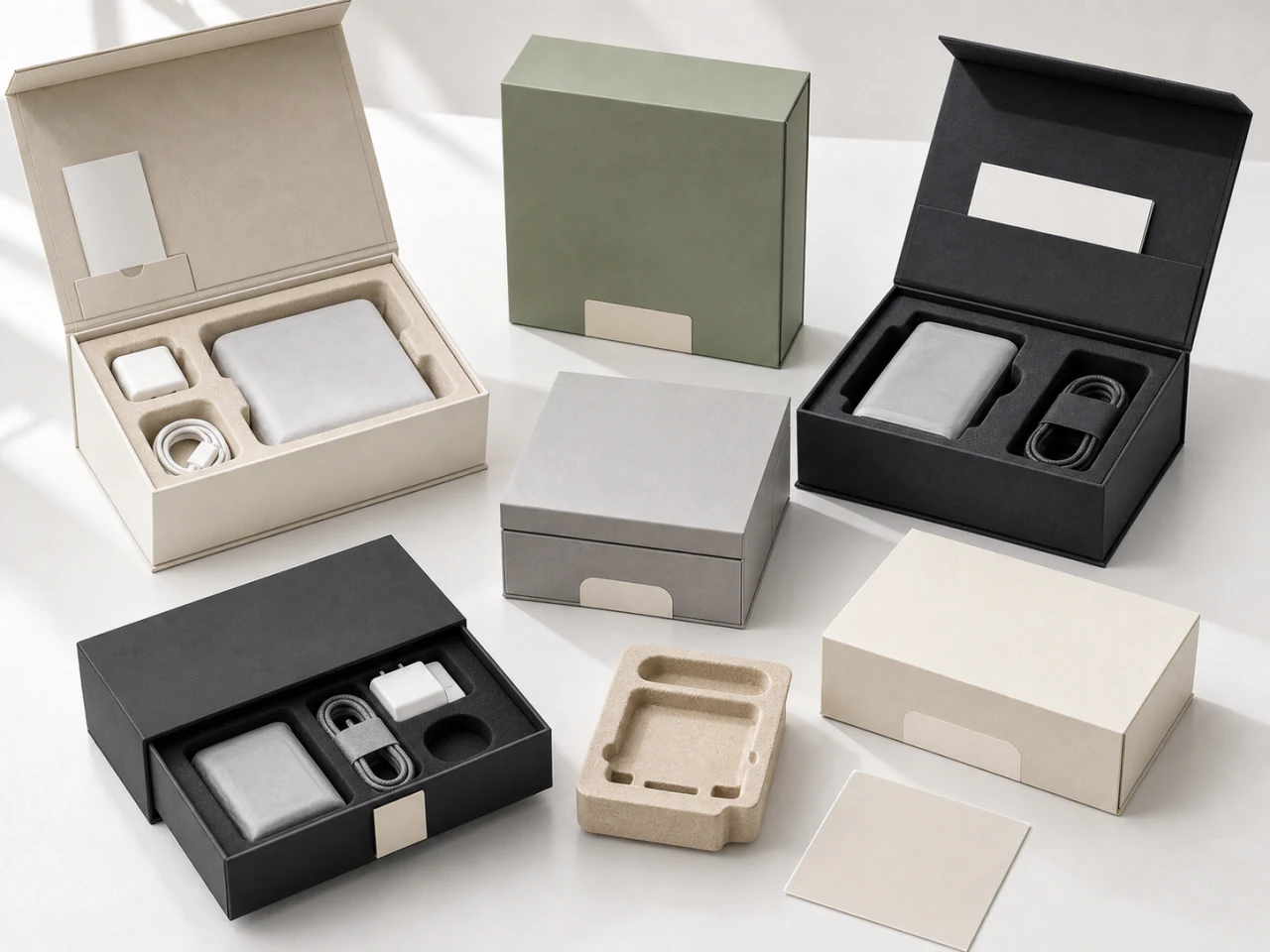
An electronics accessory brand needed protective retail packaging with molded inserts and a printed manual compartment for a fast-growing SKU line.