
Client background
A bakery brand needed food-safe boxes and window sleeves across a multi-SKU pastry line without slowing weekend production runs.
A bakery brand needed food-safe boxes and window sleeves across a multi-SKU pastry line without slowing weekend production runs.
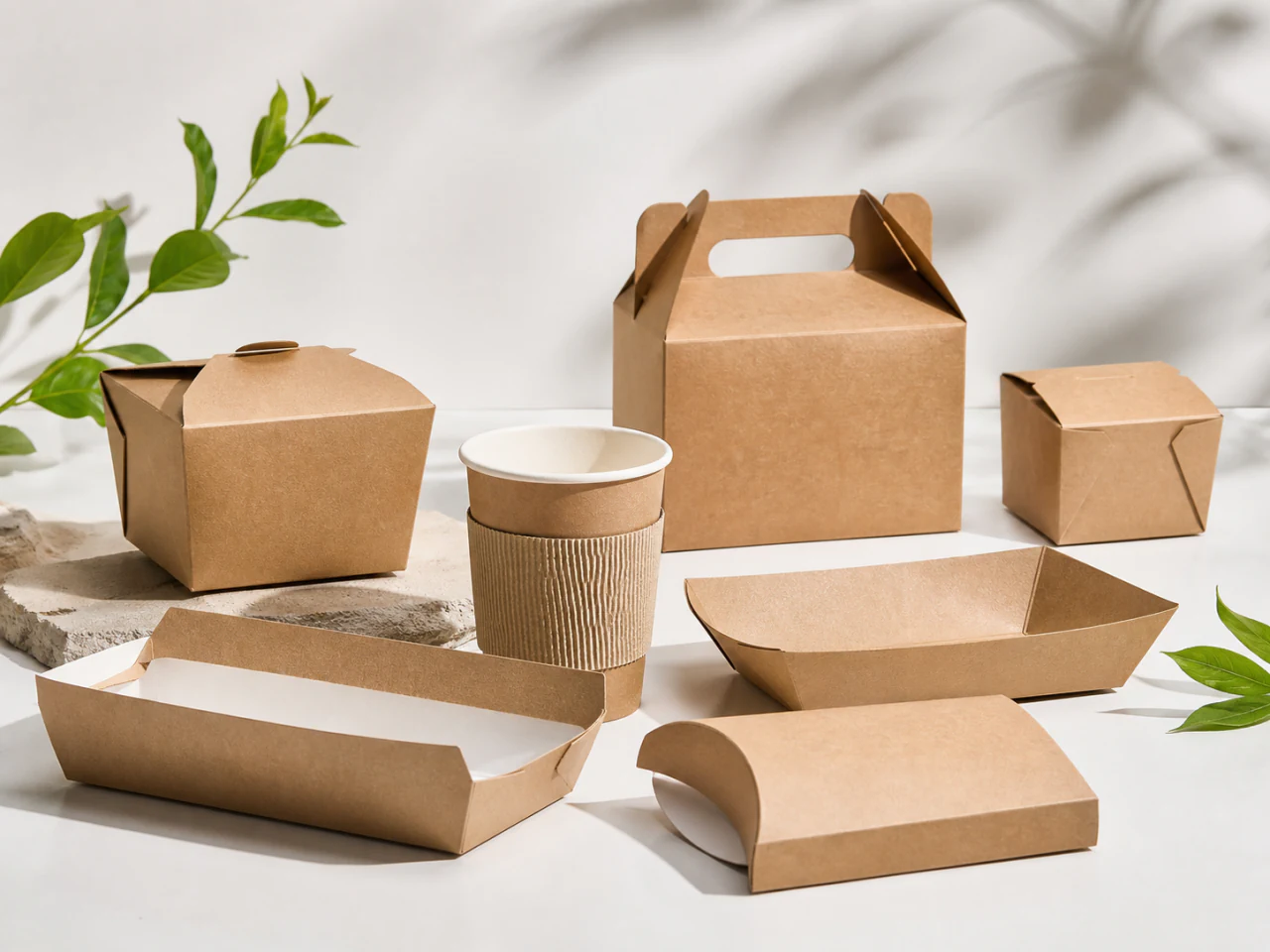
A bakery brand needed food-safe boxes and window sleeves across a multi-SKU pastry line without slowing weekend production runs.
The project needed a practical packaging route that balanced brand presentation, MOQ, lead time and export reliability.
Food-grade paperboard with a die-cut window and grease-resistant liner kept costs low while giving each SKU a consistent shelf-ready look.
Material and finish were selected around product value, shipping risk and visual positioning.
The project followed inquiry, quote, artwork review, sample confirmation, mass production and shipping.
The final route created a repeatable packaging specification suitable for future replenishment.
Review why one route was selected instead of only looking at the final packaging.
The project needed a practical packaging route for Bakery Packaging.
Material, structure and sample route were matched to quantity and market.
The final route clarified repeatable production assumptions.
Use these gates when quoting a similar artisan bakery box line refresh project.
Check product fit, insert stability, opening feel and whether the sample represents the intended production method.
Confirm color, logo position, barcode readability, foil or embossing effect and surface defects.
Review carton layout, inner packing, carton weight, shipping labels and destination handling risk.
A strong case page explains tradeoffs, not only the final look.
| Decision point | Practical guidance | Impact |
|---|---|---|
| Project constraint | The project had to balance brand presentation, MOQ, launch timing and export packing reliability. | Prevents choosing an overbuilt or under-protective route. |
| Material route | Material was selected around product value, handling risk and the finish needed to support the brand position. | Improves perceived value without unnecessary cost. |
| Sampling gate | Structure, fit, artwork, print and packing assumptions were checked before moving into bulk production. | Reduces rework and shipment risk. |
These details help us quote a comparable project faster.